Orthognathic/Jaw Surgery Roslyn
Careful Correction for Your Bite & Jaw
Many issues with the structure or alignment of the jaws can be addressed through conservative means, such as orthodontic care. However, there are times when surgery is necessary! If you find yourself in such a situation, you can trust our Roslyn, NY, team to handle your case with the greatest care and precision. Continue reading below to learn more about our orthognathic/jaw surgery services, or contact us directly to set up your consultation.
Why Choose Gold Coast Oral & Maxillofacial Surgery for Orthognathic/Jaw Surgery?
- 1 Highly Skilled Oral Surgeons with Ample Experience
- 2 Advanced Treatment Planning with CBCT Scans
- 3 Kind & Caring Team Committed to Your Success
What Is Orthognathic/Jaw Surgery?
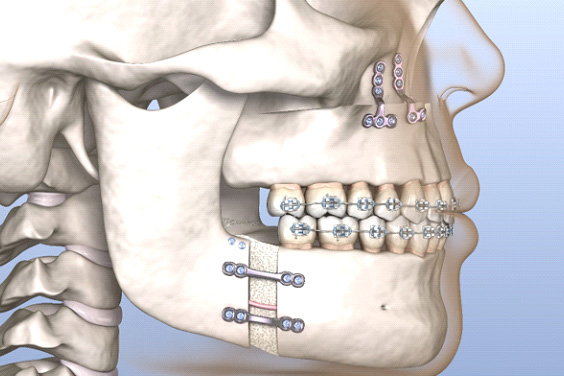
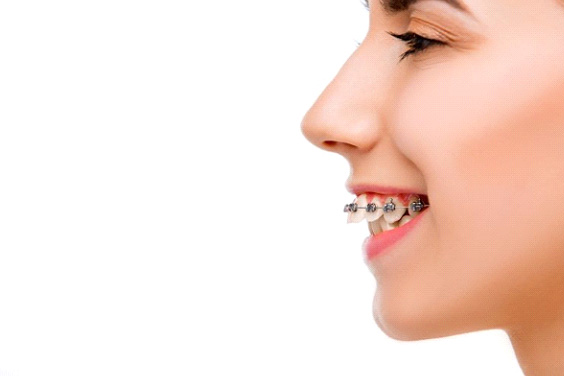
Orthognathic surgery is commonly known as corrective jaw surgery. It is a general term for a number of different procedures that can be used to address a range of conditions that affect the positioning and/or function of the jaws. It can include procedures performed on the upper jaw, lower jaw, both jaws, or the chin. Often, it is performed in close collaboration with a qualified orthodontist; patients typically need to wear braces both before and after their surgery.
The process of jaw surgery is lengthy and requires a significant recovery time, so it is generally reserved for instances when more conservative treatments would be ineffective.
What Types of Issues Can Orthognathic/Jaw Surgery Fix?
Generally speaking, candidates for orthognathic surgery suffer from one or more of the following issues:
- A severe overbite or underbite that cannot be corrected through traditional orthodontic care.
- A broken jawbone.
- Jaws that are undersized or oversized and do not function properly as a result.
- Cysts or tumors
- A cleft lip or palate.
Should I Get Orthognathic/Jaw Surgery?

Orthognathic surgery can provide many long-term benefits, but because of its extensive nature, we typically recommend it only if more conservative approaches would be ineffective.
Here are some signs/symptoms that may point to the need for an evaluation by our team:
- You struggle with persistent jaw pain or severe TMJ disorder (TMD), and your pain has not responded well to therapies like occlusal splints, home remedies, etc.
- You deal with functional problems in your jaw, such as difficulty biting and chewing.
- You have noticeable imbalance in your jaws, such as a prominent overbite, underbite, or facial asymmetry.
- You have breathing or sleep issues related to the structure of your jaws. This may come across as persistent mouth breathing, frequent snoring, or symptoms of obstructive sleep apnea.
- It is difficult for you to speak clearly due to jaw misalignment.
- You have developmental problems with your jaws or a history of injury. Severe bite problems, broken facial bones, and other issues could point to the need for surgery.
Recovering From Orthognathic/Jaw Surgery

Our team will provide detailed aftercare instructions to help you heal; the specifics of what you need to do will depend on the specifics of your surgery. Generally, you should keep your head elevated, use pain relievers to manage discomfort, and eat only soft foods. Most people are able to resume light daily activities after a few weeks, though it can take several months to a year for complete healing to take place.
Dental Implants Maxillofacial Surgery IV Anesthesia/Sedation View Our Services